I was recently heading out to dinner with my girlfriend at a restaurant in one of Charlotte’s suburbs. Before I left, I checked the transit options and noticed there was an express bus that went straight from Uptown, near my apartment, to a stop only about half a mile from the restaurant. Perfect.
The timing lined up almost exactly with our reservation. The bus would get me there about fifteen minutes early, which seemed like plenty of time to walk the short distance to the restaurant. It was only half a mile away, which should take no more than ten minutes on foot.
At least, that’s what I thought.
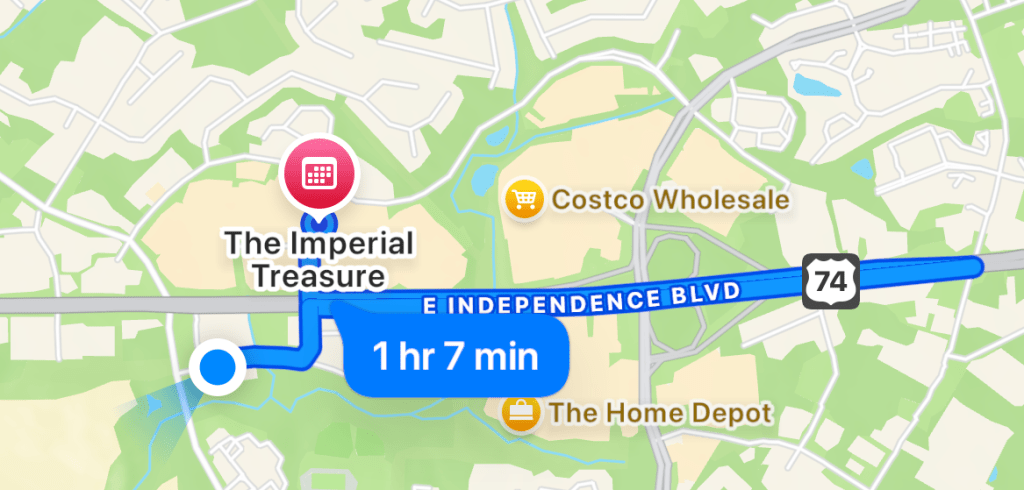
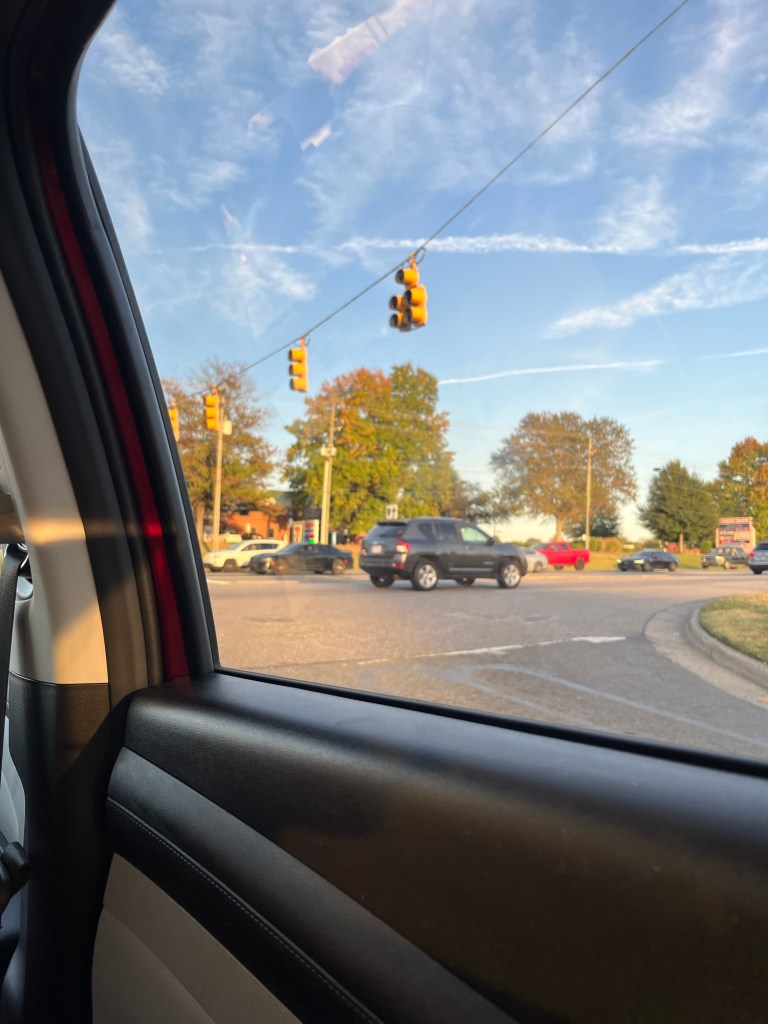
When I got off the bus, I opened the map and had a sudden realization: there was no way to cross the street. The “street,” as it turned out, was an eight-lane arterial road with traffic moving around fifty miles per hour. In other words, a classic American stroad.
Looking at the map more closely, I saw that the nearest crosswalk was about one and a half miles away. So to reach the restaurant legally, I would have had to walk a mile and a half to that crosswalk, then another mile and a half back on the other side. And as if that weren’t absurd enough, the entire route lacked sidewalks.
In total, that would have been a three-mile trip to cover what was, in a straight line, about two-hundred feet. Apple Maps estimated it would take an hour and seven minutes.
This was not what I expected, and I definitely didn’t have an hour to spare. So I had two choices: jaywalk across an eight-lane stroad, or hail a ride.
Jaywalking wasn’t an option. Between the speed of the cars and the lack of any safe refuge in the median, I would’ve been taking my life into my own hands. So I pulled up the app and ordered a car.
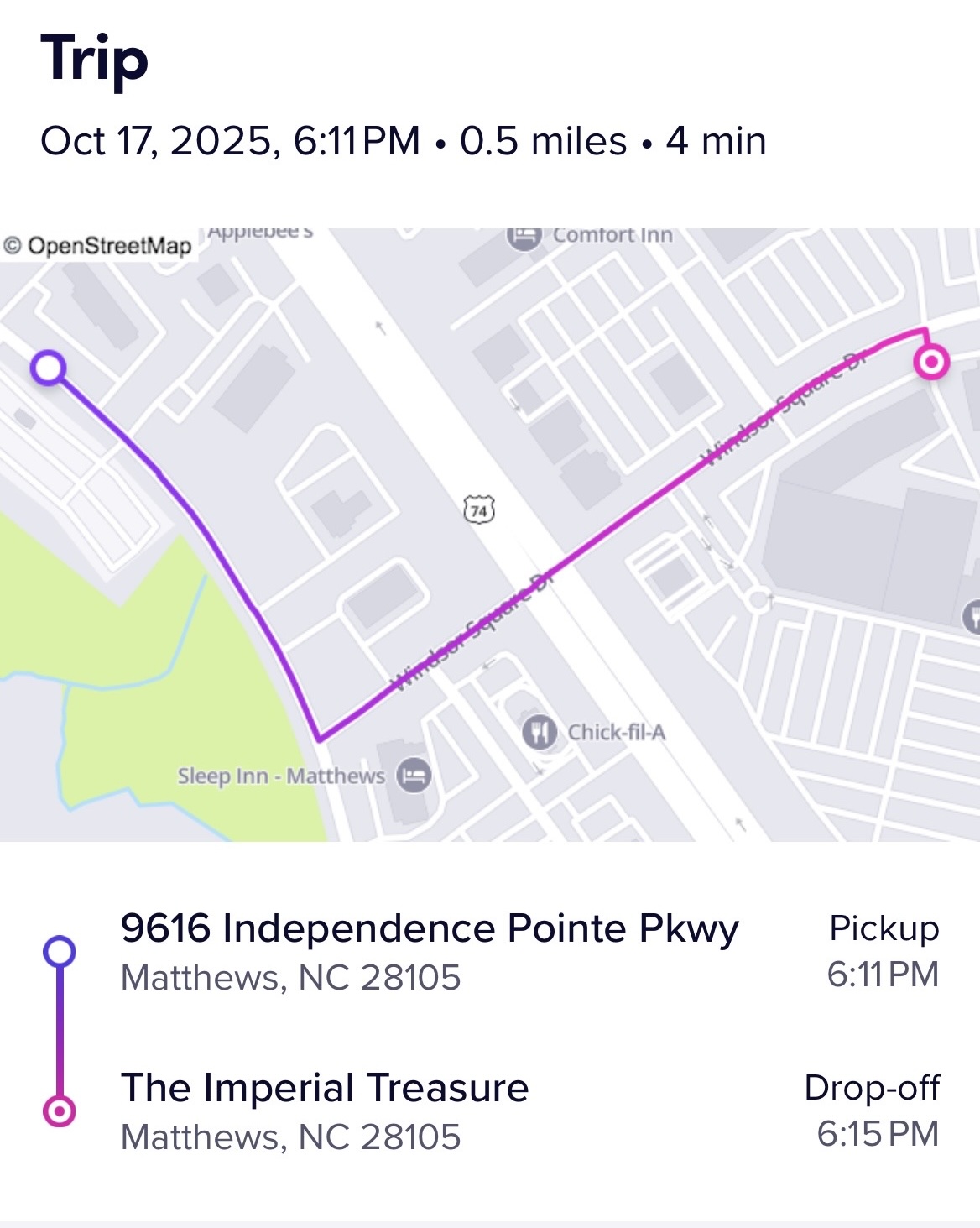
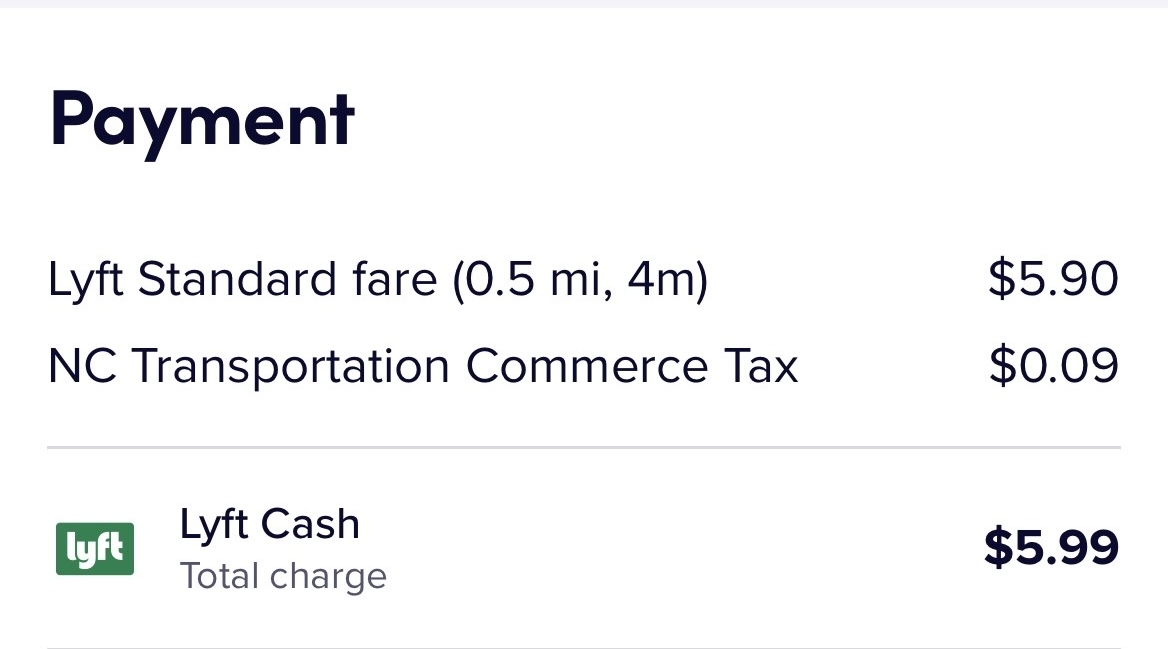
Ten minutes later, a Lyft picked me up and drove me across the street. The ride cost five dollars.
What should have been a five-minute walk became a fifteen-minute ordeal that cost money and produced emissions. And by forcing me to summon a car to do something as simple as crossing the street, the design of the area made traffic worse for everyone else too. For the Lyft driver to reach me, he had to drive along the same congested, rush-hour road, adding one more car to an already overloaded system. After picking me up, he drove me across the street, dropped me off, and then merged back into that same stream of traffic, slowing down all the other drivers just a little more because there was no safe way to walk.
This isn’t just an inconvenience. It’s an example of how poor street design isolates transit riders and pedestrians while making traffic worse for motorists. The city provided a bus that went right to where people might want to go, but the surrounding infrastructure made it functionally useless.
If Charlotte wants to be a city where people can move around without a car, it needs to do more than run buses. It needs to connect those buses to sidewalks, crosswalks, and safe, human-scaled streets.
Because no one should ever have to pay five dollars and wait ten minutes just to cross the street.
 Kyle Piira