Today, congestion is partly constrained by human tolerance. At some point, a trip becomes slow enough that the marginal driver decides it is not worth making. But what happens when the marginal driver is no longer a person? What if it is an empty robotaxi repositioning itself, or a self-driving car carrying a Chipotle burrito across town?
Those trips may be willing to tolerate much more delay than a human commuter. Instead of autonomous vehicles making long commutes easier and encouraging more sprawl, they could actually push congestion to a much worse equilibrium. A commute that takes 30 minutes today might take an hour or two simply because so many low-value automated trips are willing to sit in traffic.
That could eventually force a change.
My preferred solution would be simple congestion pricing: charge every vehicle the same market-clearing price to use scarce road space, with no special exemptions. Raise the price until traffic flows freely.
If that makes a private car trip cost $70, so be it. A bus carrying 30 people can spread the same road charge across 30 passengers. A car with four people can split it four ways. The system naturally rewards higher occupancy without needing complicated rules about which vehicles deserve priority.
Then use the congestion-pricing revenue to improve transit.
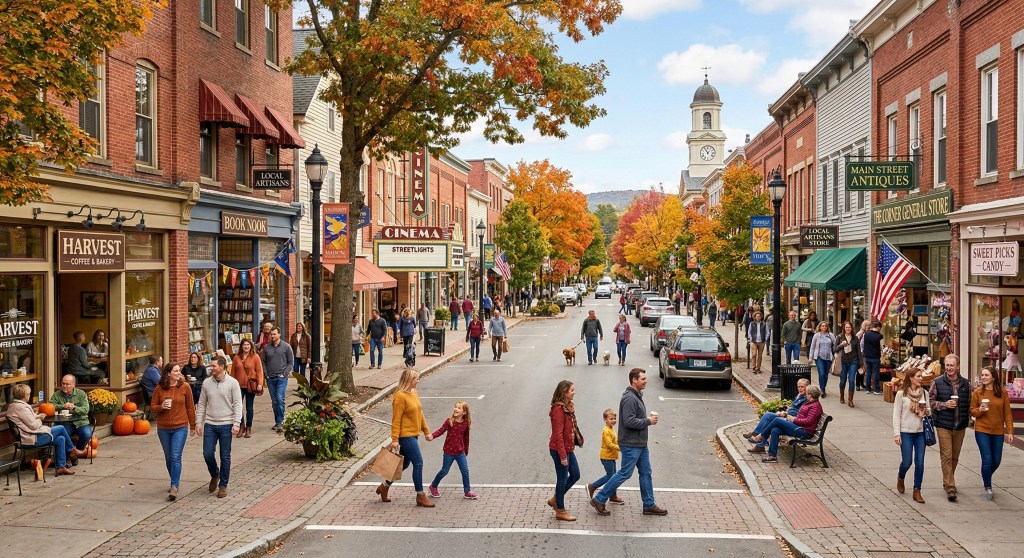
That could become especially powerful in sprawling cities that already have underused rail infrastructure. Take SunRail in Orlando. If I-4 became painfully congested, it might suddenly make sense to take a robotaxi to the nearest station, ride the train for the long-distance portion, and take another robotaxi at the other end.
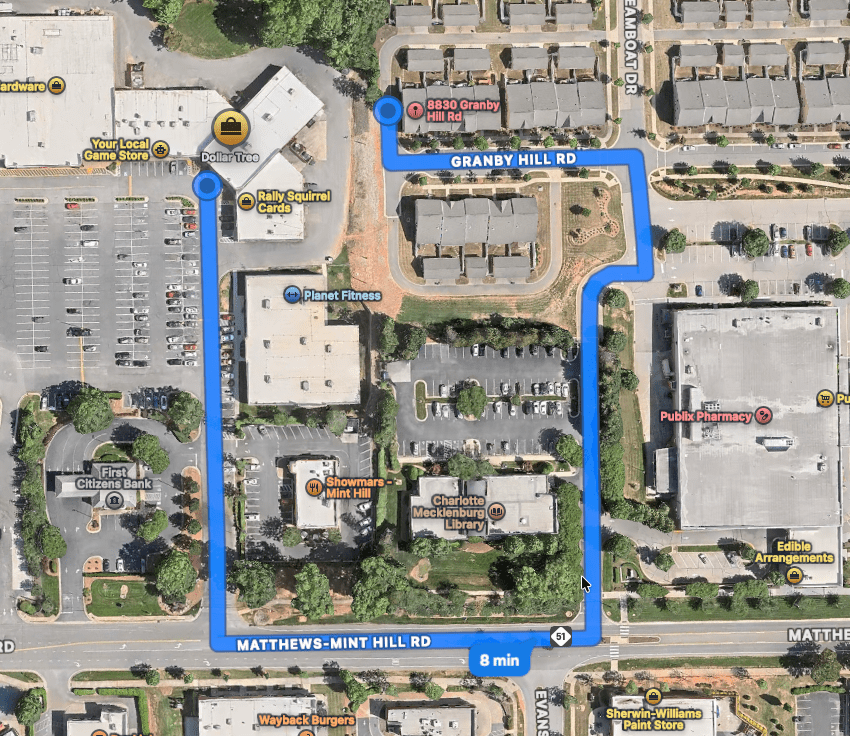
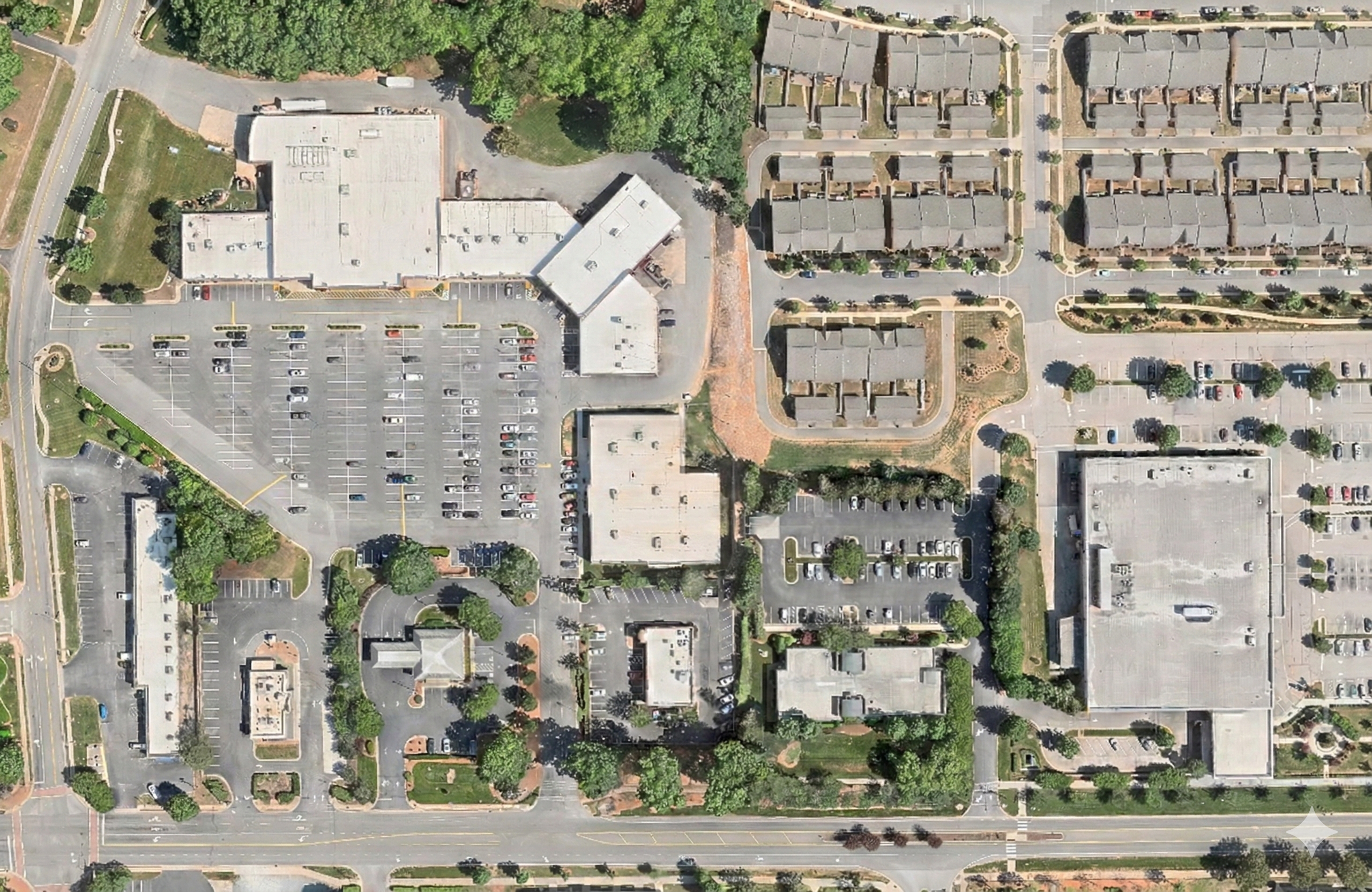
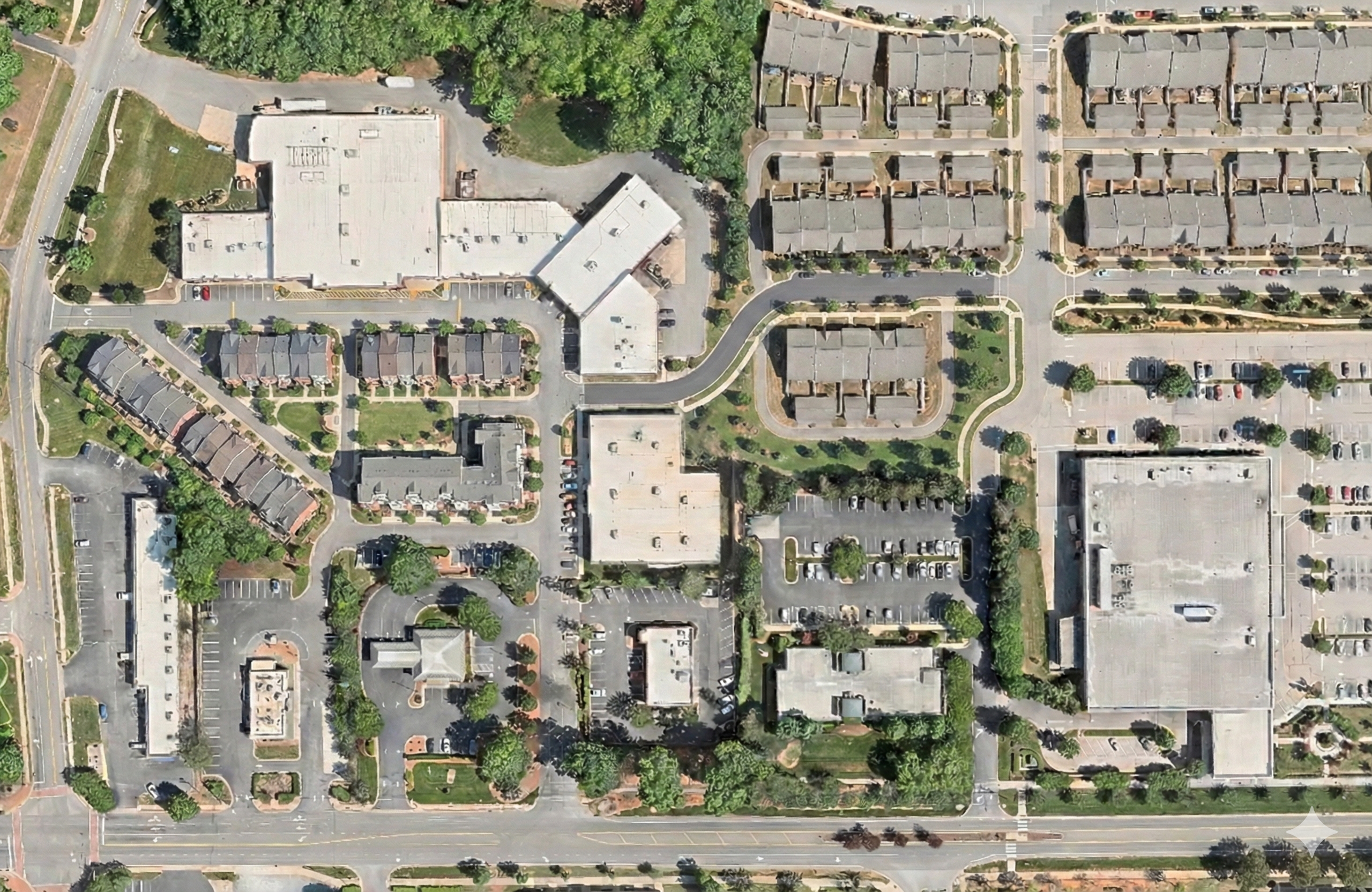
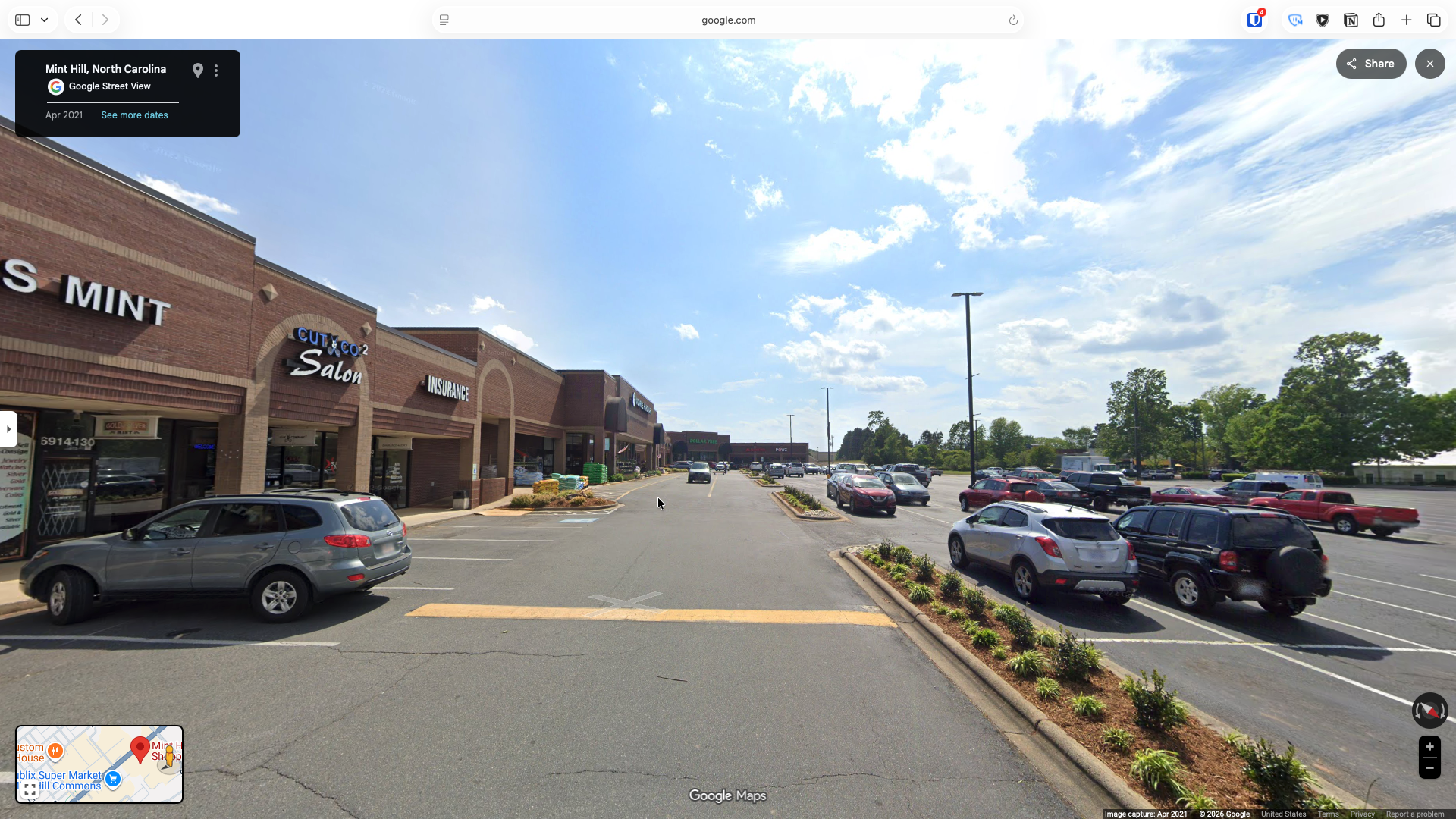
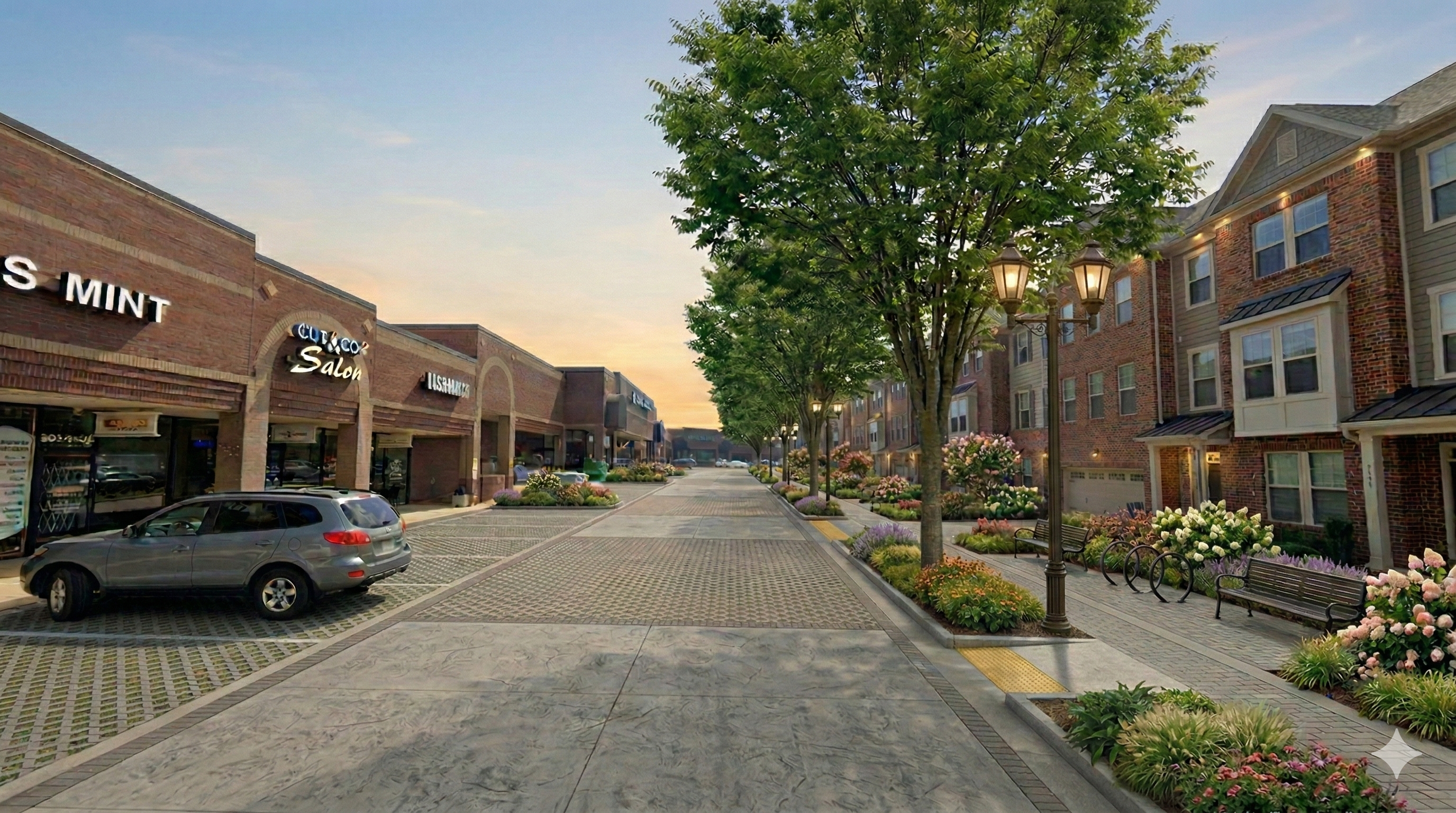
At that point, the giant parking lots around suburban rail stations become less necessary and can be replaced with compact pickup and drop-off zones. The parking lots can then be redeveloped into housing, shops, and offices. More development around the stations creates more riders, which supports better frequency, which makes the surrounding development even more attractive.
There would probably be an ugly transition period. But I can imagine autonomous vehicles pushing the current system hard enough that we finally start treating road space as the scarce resource it actually is.
And if that ultimately produces faster roads, better transit, more pooling, and denser development around rail, the end state could be substantially better than what we have today.